CHRONOLOGY OF ENSHRINEMENT
歷代孔廟釋奠源流
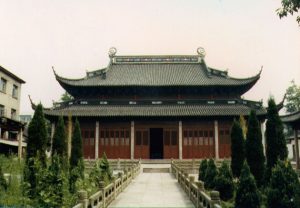
The following chronology of official acts that established the official cult of Confucius comprises direct quotations and citations taken from a range of standard sources (e.g., official history, dynastic codes, and comprehensive mirrors). The translations are not perfect and not written in finished prose but should provide an adequate basis for a comprehensive overview of what these official sources say about the formation of the cult.
東周 Eastern Zhou (770-256)
478 BCE (Jingwang 42/癸亥): Duke Ai of Lu posthumously confers title of Venerable Ni 尼父. Zuozhuan Aigong 16. Chunqiu Zuozhuan zhengyi 59.475 (2177); Queli zhi 6.1a.
477 BCE (Jingwang 43): state of Lu invests 100 households to support temple sacrifices. Queli zhi 4.17b.
Sima Qian: “Generation after generation, Lu conducted annual sacrifices at Kongzi’s grave, his disciples also discoursed on ritual, conducted banquets, and archery meets at the grave. . . . later generations stored his clothes, cap, zither, carriage, and books in the temple there for these more than two hundred years without cease.” 魯世世相傳以歲時奉祠孔子冢,而諸儒亦講禮、鄉飲、大射於孔子冢. . .故所居堂弟子內,後世因廟藏孔子衣冠琴車書, Shiji 47.1945; Kongmen chuandao lu 1.9b.
西漢 Western Han (207 BCE-9 CE)
195 BCE (Gaozu 12): Gaodi offers Great Beast sacrifice when he passed through Lu 高皇帝過魯,以太牢祠焉. Lords and officers went [to Lu] often first visiting and only then attended to their official duties 諸侯卿相至,常先謁然後從政. Shiji 47.1945-46; Hanshu 1B.76 (dates this at Gaozu 12/11).
Queli zhi 6.3a. 《禮記‧王制》:『天子社稷皆大牢,諸侯社稷皆少牢。』《大戴禮記‧曾子天圓》:『諸侯之祭,牛,曰太牢。』
48 BCE (Yuandi chuyuan 1): Kong Ba granted hereditary title (Marquis of Guannei 關內侯, a status lower than a regular marquis) for living descendants of Kongzi; investiture of 800 peasant households to support the sacrifices. Han shu 81.3353.
Gujin tushu jicheng 198.48下; Kongmen chuandao lu 1.10b; Pan’gong liyue shu 1.1b-3b.
[This title was conferred on many others concurrently, usually carrying investitures of between 500-1000 households.]
1 CE (Pingdi yuanshi 1/6/10): Kongzi granted posthumous title of Exalted Ni Duke of Consummate Perfection 褒成宣尼公 and his 16th generation living descendant ennobled as Marquis of Consummate Perfection 褒成侯 and invested with 2000 households. 封周公後公孫相如為襃魯侯,孔子後孔均為襃成侯,奉其祀。追諡孔子曰襃成宣尼公。Hanshu 12.351; 以孔子世襃成烈君霸(魯)〔曾〕孫奉孔子祀侯, 二千戶。(18.715); 周公後襃魯子姬就,宣尼公後襃成子孔鈞,已前定焉。(99.4105). (see also 37 CE)
This begins the periodic veneration of Kongzi 此後世尊崇孔子 and is the first use of the title of “Exalted” 宣. Queli zhi 2.36a, 6.1a; Kongmen chuandao lu 1.12b; Pan’gong liyue shu 1.3b.
The 18th generation descendant’s title Marquis of Consummate Perfection was changed to Neighborhood Marquis of Accomplishment 褒亭侯 in 92 CE (Hedi yongping 4) and invested with 1000 households. Song shi 431.12813; Queli zhi 2.36a.
東漢 Eastern Han (25-220 CE)
29 CE (Guangwu jianwu 5/10): Emperor travels to Lu and orders the Grand Minister of Works to offer a great beast in sacrifices to Kongzi. Hou Hanshu 1A.40.
Beginning of school sacrifices, but historians do not agree on when schools were established.
37 CE (jianwu 13) reaffirmation of Wang Mang’s ennoblement (in 1 CE) of Kongzi’s descendants’ as Marquis of Consummate Perfection 初,平帝時王莽秉政,乃封孔子後孔均為襃成侯,追謚孔子為襃成宣尼 。及莽敗,失國。建武十三年,世祖復封均子志為襃成侯。志卒,子損嗣。永元四年,徙封襃亭侯。損卒,子曜嗣。曜卒,子完嗣。世世相傳,至獻帝初,國絕。
59 CE (Mingdi yongping 2): sacrifices to Duke of Zhou and Kongzi in schools 學校. Hou Han shu 4.3108; Zizhi tongjian 44.1434.
state schools were not yet officially established, thus this refers to sacrifices offered by school officials. Kongmen chuandao lu 1.13b; Pan’gong liyue shu 1.4a. Qu Jiusi (Kongmiao liyue kao 1.10a) argues that schools were established during Wudi’s reign (141-87). Shiji (121.3119): 郡國縣道邑.
72 CE (Mingdi yongping 15/3): Emperor travels to Lu and offers sacrifice to Zhongni and his seventy-two disciples 祠仲尼及七十二弟子. Hou Hanshu 2.118-9.
Queli zhi 6.3b; Kongmen chuandao lu (14a-19a) has extended discussion of ascertaining who are the disciples from Kongzi jiayu to a text attributed to Song Jinren Shanshi 宋金仁山氏.
85 CE (Zhangdi yuanhe 2/2/庚寅): Emperor sacrifices to Kongzi in Queli along with the 72 disciples; gifts bestowed upon descendants 庚寅,祠孔子於闕里,及七十二弟子,賜襃成侯及諸孔男女帛 (Hou Hanshu 3.150). According to Kong Xi’s 孔僖 (d. 88) biography (Hou Hanshu 79A.2562), Great Beast and music of the Six Reigns 六代之樂 [Zhouli*] 元和二年春,帝東巡狩,還過魯,幸闕里,以太牢祠孔子及七十二弟子,作六代之樂,大會孔氏男子二十以上者六十三人,命儒者講論〔語〕。僖因自陳謝。帝曰:「今日之會,寧於卿宗有光榮乎?」對曰:「臣聞明王聖主,莫不尊師貴道。今陛下親屈萬乘,辱臨敝里,此乃崇禮先師,增煇聖德。至於光榮,非所敢承。」帝大笑曰:「非聖者子孫,焉有斯言乎!」遂拜僖郎中,賜襃成侯損及孔氏男女錢帛,詔僖從還京師,使校書東觀。(see also Gujin tushu jicheng 198.48a)
The emperor ascended the temple steps and faced west (Queli zhi 6.3b; Kongmen chuandao lu 19b; Pan’gong liyue shu 5b).
Queli zhi 6.3b-4a; Kongmen chuandao lu (1.19a-b); Pan’gong liyue shu (4a-b) elaborate on music & dance; what follows draws from Zhouli: The “Earl of the Main Clan Spring Office” 春官宗伯下 chapter in the Zhouli zhengyi 42.1711-56; Zhouli zhushu 22.149 (787) describes the regulations of the Chengjun 成均 school. The second of the five schools in the Zhou: 辟雍 located at the center, 成均, 上庠 located in the north, 東序, 督宗 in the west. The king resided in the Biyong and the princes in the others with the Chengjun regarded as the most important. (This establishes the sacrifice’s connection with schools, although this rite was performed in Queli.)
*The music of the six reigns 六代之樂 refers to the music and dance of the Six Emperors (i.e., Yellow Emperor, Yao, Shun, Yu, Yin/Shang, and Zhou) described in 春官: “Sound the Yellow Bell, sing the great pipe note, and dance the [Yellow Emperor’s] cloud gate to sacrifice to Heaven Spirit 乃奏黃鐘,歌大呂,舞雲門,以祀天神 (Zhouli zhengyi 42.1739)。Play the Dacu pitch pipe, sing the responding bell note, and dance [Yao’s] Xianchi to sacrifice to the earthly spirits 乃奏大簇,歌應鐘,舞咸池,以祭地示。 (Zhouli zhengyi 42.1747). Play the maiden’s wash pitch pipe, sing the southern pipe note, and dance [Shun’s] Great Shao to sacrifice to the spirits of the four views [i.e., sun, moon, stars, and seas] 乃奏姑洗,歌南呂,舞大韶,以祀四望 (42.1747). Play the ruibin pitch pipe, sing the container bell note, and dance [Yu’s] Great Xia to sacrifice to the spirits of the mountains and streams 乃奏蕤賓,歌函鐘,舞大夏,以祭山川 (42.1748). Play the level regulation pitch pipe, sing the minor pipe note, and dance [Tang’s] Great Huo to sacrifice to the spirit the Zhou’s dynastic matriarch Jiang Yuan 乃奏夷則,歌小呂,舞大濩,以享先妣; Play the issueless pitch pipe, sing the compressed bell note, and dance [Wu’s] Great Wu to sacrifice to the spirit the Zhou’s dynastic founder [Lord Millet] 乃奏夷則,歌小呂,奏無射,歌夾鐘,舞大武,以享先祖 (42.1751). In each piece of music, the pitch is based on the five notes 五聲 and performed with the eight kinds of instruments凡六樂者。文之以五聲。播之以八音: bells 金, stone chimes 石, silk strings 絲, bamboo flutes 竹, gourd [wind] 匏, earth/clay [wind] 土, skin [drums] 革, wood [percussion] 木, and clappers 拍板.
124 CE (Andi yan’guang 3/3/5): the emperor travels to Lu and offers sacrifices 祠 to Kongzi and his 72 disciples. Hou Hanshu 5.238.
152 CE (Huandi yuanjia 2): appointment of a clerk 卒史 (100 bushels of rice) to manage the ritual vessels
Queli zhi 6.4a; Kongmen chuandao lu 20b; Pan’gong liyue shu 4b. Some sources erroneously use 戶 rather than 石 in 置百石卒史一人; only one household was established at a salary of 100 bushels of rice. Not recorded in Hou Hanshu (Gujin tushu jicheng 198.48a).
165 (Huandi yanxi 7): first sent the 中常侍 to offer sacrifices to Laozi in Ku county of the state of Chen 陳國苦縣. In the 9th year he personally offered sacrifice to Laozi in Zhuolong 濯龍祠老子 using a patterned carpet as an altar 文罽為壇, simple adornments on the [sacrificial] vessels, a decorated canopy over the seat, and the music for the suburban sacrifices to Heaven 用郊天樂. Hou Han shu, “zhi” (treatise) 8.3188.
169/170 CE (Lingdi jianning 2/3): beginning of regular sacrifices in Qufu of spring and autumn based on liturgy of 社稷 & using grain from the prince’s storage 出王家穀. Queli zhi 6.4a; Pan’gong liyue shu 5a. Not recorded in Hou Hanshu (Gujin tushu jicheng 198.48a).
178 CE (Lingdi guanghe 1): beginning of use of painted portraits of the Sage and his seventy-two disciples Queli zhi 6.4b; Kongmen chuandao lu 21b; Pan’gong liyue shu 5a
魏 Wei (220-265)
221 CE (Wendi huangchu 2/1/11): emp. ennobled Kong Xian 羨 (Kongzi’s 21st generation descendant) as Marquis for Reverencing the Sage 宗聖侯 and enfeoffed him with 100 households to support the sacrifices to Kongzi; he also ordered repair of the temple in Lu after long period of neglect and Zhongni’s descendants nearly came to an end. Sanguo zhi 2.77-78; Jinshu 19.599.
The emperor issued the edict, 「昔仲尼資大聖之才,懷帝王之器,當衰周之末,無受命之運,在魯、衞之朝,教化乎洙、泗之上,悽悽焉,遑遑焉,欲屈己以存道,貶身以救世。于時王公終莫能用之,乃退考五代之禮,脩素王之事,因魯史而制春秋,就太師而正雅頌,俾千載之後,莫不宗其文以述作,仰其聖以成謀,咨!可謂命世之大聖,億載之師表者也。遭天下大亂,百祀墮壞,舊居 之廟,毀而不脩,褒成之後,絕而莫繼,闕里不聞講頌之聲,四時不覩蒸嘗之位,斯豈所謂崇禮報功,盛德百世必祀者哉!其以議郎孔羨為宗聖侯,邑百戶,奉孔子祀。」令魯郡脩起舊廟,置百戶吏卒以守衞之,又於其外廣為室屋以居學者。 Sanguo zhi 2.77-8
Wenxian tongkao 43.405 中; Kongmen chuandao lu 21b-22a; Pan’gong liyue shu 5a; text of ennoblement attributed to 曹植 reproduced in Gujin tushu jicheng (203.8b).
241 (Wei Qiwang zhengshi 2/2): emp. first lectured on the Lunyu 帝初講論語通 and ordered the chamberlain for ceremonials to sacrifice 祠 to Kongzi in the Biyong with a large beast sacrifice, with Yan Hui as correlate.使太常以太牢祠孔子於辟雍, 以顏淵配 Sanguo zhi 4.119.
Fang Xuanling’s seventh-century history of the Jin calls Wei Wendi’s 221 sacrifice 釋奠 (使太常釋奠, 以太牢祠孔子於辟雍) Jin shu 19.599, whereas the third-century history of the three kingdoms simply refers to this sacrifice as a large beast 太牢 (other sacrifices to Kongzi recorded in the Jin shu are also called 釋奠 whereas the Sanguo zhi calls them 太牢). Later studies of the sacrifices list this as the first use of the 太牢 sacrifice (e.g., Kongmen chuandao lu 22a-22b; Pan’gong liyue shu 5b), although it is not clear whether the Wei court used this term 釋奠 and cited Liji as the precedent or Fang Xuanling used the shidian as a generic term for sacrifices to Kongzi.
禮,始立學必先釋奠于先聖先師,及行事必用幣。漢世雖立學,斯禮無聞。魏齊王正始二年二月,帝講論語通,五年五月,講尚書通,七年十二月,講禮記通,並使太常釋奠,以太牢祠孔子於辟雍,以顏回配。武帝泰始七年,皇太子講孝經通。咸寧三年,講詩通,太康三年,講禮記通。惠帝元康三年,皇太子講論語通。元帝太興二年,皇太子講論語通。太子並親釋奠,以太牢祠孔子,以顏回配。成帝咸康元年,帝講詩通。穆帝升平元年三月,帝講孝經通。孝武寧康三年七月,帝講孝經通。並釋奠如故事,穆帝、孝武並權以中堂為太學。(Jin shu 19.599)
244 (zhengshi 5/5/30 庚己): emp. lectured on the Shangshu, then ordered the same sacrifices (as in 241). Sanguo zhi 4.120; Jin shu 19.599
246/7 (Qiwang zhengshi 7/12): emp. lectured on the Liji, then order the same sacrifices (as in 241) Sanguo zhi 4.121, 21.670.
This marks the beginning of sacrifices in the Imperial University. Qiu Jun, Daxue yanyi bu 65.7a; Kongmen chuandao lu 22a-22b; Pan’gong liyue shu 1.5b; Wuli tong kao 117.16b (none of these sources note anachronistic use of 釋奠).
晉 Jin (265-316)
266 CE (Wudi taishi 3/11): National University and Lu were ordered to offer the Three Offerings feast in the sacrifices to Kongzi in each of the four seasons 四時備三牲以祀孔子. This was made precedent in 325 (Mingdi taining 3). The 22nd generation descendant’s hereditary title of marquis was changed to Neighborhood Marquis for Sacrificing to the Sage 奉聖亭侯 and invested with 2000 households. Jinshu 19.599. Queli zhi 6.4b: records this as the 4th year.
271 CE (Wudi taishi 7): the imperial heir apparent personally offered sacrifices in 太子並親釋奠太學 Pan’gong liyue shu 1.5b; Jinshu 19.599.
Beginning of imperial heir apparent’s presentation of offerings (Daxue yanyi bu; Kongmen chuandao lu 23a).
292 CE (Huidi yuankang 2; Jinshu 3rd year): in the spring of that year the imperial heir apparent lectured on the Lunyu and personally offered a sacrifice [in the 太學; Pan’gong liyue shu 1.5b] Wenxian tongkao 43.405 下
東晉 Eastern Jin (316-420)
319 CE (Yuandi taixing 2): imperial heir apparent lectured on the Lunyu and offered a 太牢 sacrifice to Kongzi and Yan Hui. Jin shu 19.599 [Pan’gong liyue shu: 釋奠].
335 CE (Chengdi jiankang 1/2/26): the emperor lectured on the Shijing and offered a sacrifice in the Central Hall 中堂. Jin shu 19.599. The Central Hall 中堂 was the temporary location of the Imperial University. Pan’gong liyue shu1.6a.
357 CE (Mudi shengping 1/3/13): the emperor lectured on the Xiaojing and offered a sacrifice in the Central Hall. Jin shu 19.599.
375 CE (Xiaowudi ningkang 3/2/17): the emperor lectured on the Xiaojing and offered a sacrifice in the Central Hall. Jin shu 19.599.
The Jin shu (19.599) cites Wei precedents of conversing on canonical books by emperors and heir apparents.
南朝 SOUTHERN DYNASTIES (420-589)
劉宋 Liu-Song (420-479)
443 CE (Wendi yuanjia 19/12/24): The sage’s descendants were ordered to discuss the transmission of the heritage 聖之胤, 速議承襲; a Kongzi temple was ordered repaired 及令修廟 after damage by bandits and offering of sacrifices in each season 四時饗祀; five households 民孔景等五戶 near the graves established as tax-exempt caretakers of graves. Nanshi 2.47-8; Songshu 5.89-90. Pan’gong liyue shu (1.6a) and Gujin tushu jicheng (198.48b).
[The Song court controlled the area around Lu until 450 (yuanjia 27/11/2) when it lost it to the Northern Wei. Songshu 5.99.]
Title of 26th generation descendant 孔鮮 changed to Marquis for Revering the Sage 崇聖侯 (Queli zhi 2.37a).
Kong Jing and five households appointed caretakers of Kong grave, and planted 600 cypress trees 魯郡上民孔景等五戶居近孔子墓側,蠲其課役,供給洒掃 ,并種松柏六百株 Songshu 5.90
445 (Wendi yuanjia 22): imperial heir apparent offers sacrifices based on the Jin precedent. Pei Songzhi 裴松之 (372-451; bio in Songshu 64.1698-1701) advocated use of six rows of dancers, three racks of hanging instruments, the offerings and vessels appropriate for a superior lord 上公 in the sacrifices and the emperor should personally attend a banquet after the ceremony attended by officials from the heir apparent down. Nan Qishu 9.143-44 (not mentioned in Songshu).
Qiu Jun: this begins the use of rites based on Konzi ranked as equivalent to a lord. The main point of this argument is to reconcile the rites, music, offerings, etc. with Kongzi status as a lord 諸侯 rather than sovereign 王. Six rows 六佾 rather than the royal eight 八佾 and three racks of hanging instruments 軒懸 (i.e., bells 鐘 and chimes 磬, sans three pitches: 仲呂, 蕤賓, 林鐘) rather than four 宮懸, replete with instruments of the six pitchpipe yang 陽 pitches 六律 and six yin 陰 pitches 六呂. [Zhouli zhushu 23.157 (795)] Each row has the same number of dancers as there are total rows, thus the royal eight rows has a total of sixty-four dancers; the lord’s six rows has thirty-six; the grand master’s 大夫 four rows has sixteen. (軒, a lord’s chariot, signifies three racks like the lord’s three-sided chariot, 宮 signifies four walls of the royal palace room). Kongmen chuandao lu 24a.
454 (Xiaowudi xiaojian 1/10/15): temple liturgy can be established based on the same rites used for lords, the heights can be selected and applied to the sacrificial order 可開建廟制, 同諸侯之禮. 詳擇爽塏, 厚給祭秩. Nanshi 2.58; Songshu 6.115-16.
First temple built outside of Lu, four years after the loss of Lu to Northern Wei.
南齊 Southern Qi (479-502)
485 (Wudi yongming 3/1): Court debates on what rites should be used. That fall, 尚書令王儉 submitted a memorial summarizing other views: Lu Na 陸納 and Ju Yin 車胤 argued that the rites for lord should be used, whereas Fan Ning 范甯 (339-401) had argued that royal rites as used in the Duke of Zhou temple should be used and Fan Xuan 范宣 argued that Kongzi was not an official but a teacher; the rites used for kings and emperors should be used 帝王禮樂. The court followed Yu Xi’s 喻希 argument to retain the Song precedent. Nan Qishu 9.143-44.
Return to debate of 445 under the reign of Song Wendi on the proper rituals, music, offerings, etc. to Kongzi. The 445 precedents were eventually retained (see also Northern Qi in 550). Kongmen chuandao lu 25a; Pan’gong liyue shu 6b-7a.
梁 Liang (502-557)
505 CE (Wudi tianlan 4/6/11): a Kongzi temple is constructed in Jiangzuo 江左 [possibly in 南兗州 near mod. Yangzhou]. Liang shu 2.42.
552-4 (beginning Yuandi reign): an Exalted Sage temple 宣聖廟 was built in Jingzhou 荊州 [mod. Jiangling 江陵, Hubei].
The emperor painted a portrait of the sage and wrote words of praise (Queli zhi 6.5a-b; Kongmen chuandao lu 28a). This begins composing words of praise of Kongzi. Such words of praise were composed in 710, during the Xuanzong reign (712-56), 962 (Song Taizu), 1009 (Zhenzong), 1084 (Shenzong), 1122 (Huizong), 1144 (Gaozong), and 1230 (Lizong).
557 CE (Jingdi taiping 2/1/2): emperor had audience with Kongzi’s descendants who had been assembled from ranks of those who left Queli, repaired the temple hall, and greatly expanded the four season sacrifices. Liang shu 6.147: 夫子降靈體哲.
Liang shu: imperial edict suggests that Kongzi’s descendants had scattered and were to be reassembled in order to restore the heritage.
陳 Chen (557-589)
571 CE (Xuandi gong [or Tai] jian 3/8/26): imperial heir apparent performed sacrifices in the Imperial University. Chen shu 5.80. Queli zhi 6.5b.
585 CE (Houzhu zhide 3/11/6): emperor personally performed sacrifices (Chen shu 6.112).
After the ceremony, the bronze bell and stone chime music was played and feast for princes, dukes, high officials, and scholars was held (Queli zhi 6.5b; Pan’gong liyue shu 7b).
北朝 NORTHERN DYNASTIES (386-581)
北魏 Northern Wei (386-534)
401 (Taiwudi tianxing 4): music masters 樂師 instructed to use dancers in the rites.
426 (Taiwudi shiguang 3/2): construction of Imperial University in the Eastern City 城東; sacrifices to Kongzi with Yan Hui as correlate. Wei shu 4.71; 84.1842.
450 CE (Taiwudi taiping zhenjun 11/11/5): south [Song] loses area up to Zoushan 鄒山 (south of 魯), a large beast offered to the sage 先聖. Wei shu 4B.104; Queli zhi 6.4b.
Explicit justification for sacrifice as giving thanks after military victory.
452-65 CE (Wenchengdi): officers ordered to perform separate sacrifices in Xuan Ni temple. Wei shu 108 之 1.2750.
[Not clear whether this temple is in Lu or elsewhere but other temples described in the paragraph are local, outside the capital] Wenxian tongkao 43.406; Daxue yanyi bu 65.7b; Pan’gong liyue shu 8b.
468 CE (Xianwendi huangxing 2): because Qingxu 青徐 [eastern Shandong? 青州 + 北徐州] is pacified. Secretary General Gaoyun 高允 sent to offer large beast to Kongzi. Gujin tushu jicheng 79.49b. (see also 450 CE)
472 (Xiaowendi yanxing 2/2/22): proscription of the licentious sacrifices of sorcerers and sorceresses. Wei shu 7A.136.
473 (Wendi yanxing 3): title of 27th generation descendant changed to Grand Master for Revering the Sage 崇聖大夫 and invested with 500 households. Queli zhi 2.37a.
489 CE (Xiaowendi taihe 13/7/25): a “Kongzi temple” was constructed in the capital 孔子廟於京師. Wei shu 7B.165; Bei shi 3.104.
Possibly first temple in capital (c.f., Northern Zhou 580 under Xuandi daxiang 2). Gujin tushu jicheng 198.49b. Not recorded by Zhang Chaorui or Li Zhizao.
492 (Xiaowendi taihe 16/2/21): change of Exalted Ni’s 宣尼 posthumous title to Sage of Culture Venerable Ni 文聖尼父; officers ordered to perform separate sacrifices 薦享. Wei shu 7B.169; Bei shu 3.108.
Zizhi tongjian 147.4320; Dongjia zaji 1.2a; Kongshi zuting guangji 1.4a; Kongmen chuandao lu 25b; Pan’gong liyue shu 8b.
495 (Xiaowendi taihe 19/4/22): emperor goes to Lu, personally performs sacrifice; changes title of 28th generation descendant to Marquis for Honoring the Sage 崇聖侯 and appoints four other descendants and two of Yan Hui’s descendants to office. Hou Han shu 79A.2563n1.
522 (Xiaomingdi zhengguang 3): emperor performed rites of lecturing on learning then sacrificed in the Court for Education 國子寺. Pan’gong liyue shu 9a.
540 (Xinghe 2): image of Confucius repaired and 10 worthies restored to their positions standing in attendance 繕孔像復立十賢. from a stele inscription by regional inspector Li Ting 兗州刺史李珽脩孔子廟碑. Que li zhi 闕里誌 9.7b-10b.
N.D.: the Wei court frequently bestowed land to nurture Kongzi’s descendants. (citation)
北齊 Northern Qi (550-77)
550 CE (Wenxuandi tianbao 1/6/3): changed Kongzi’s 30th generation descendant’s title to Marquis for Adoring the Sage 恭聖侯; a temple for the Sage and Worthy 先聖先賢廟 was constructed in Lu and an official sent to offer sacrifices. The regulations were established for the second month of the spring and autumn sacrifices; the music was based on the three racks of hanging instruments and dance used six rows. Bei Qishu 4.51
This liturgy follows exactly the Song precedent of 445, which was repeated by the Southern Qi court in 485. Sui shu (9.181): “According to the latter Qi regulations, 釋奠 libations were always offered to the first Sage and founding canonical masters on the second months of spring and autumn when a school was opened. The first day of the month the Libationer ordered the court erudites, scions of royalty, and scholars of the Four Gates, assistant instructors to ascend the temple to prostrate themselves before sage Kong and bow to Yan Hui at the foot of the steps to the temple.” 新立學, 必釋奠禮先聖先師, 每歲春秋二仲, 常行其禮. 每月旦, 祭酒領博士已下及國子諸學生已上, 太學, 四門博士升堂, 助教已下, 太學諸生階下, 拜孔揖顏.
[This is one of the earliest explicit uses of “When King Wen was Heir Apparent” 文王世子 chapter in Liji as the locus classicus for sacrifices to Kongzi.]
Queli zhi 6.5a; Kongmen chuandao lu 28a; Pan’gong 9a. Qiu Jun: this begins the monthly ceremony honoring Kongzi.
During the Northern Qi (n.d.), before lecturing to the emperor the classics were first established in the Venerable Kong temple 將講於天子, 先定經於孔父廟. On the day of the lecture, the emperor wore the Tong Tian Cap, Dark Sleeved Robe, rode the Elephant Carriage to the School and sat in the temple. When the lecture concluded, [the emperor] returned to the Convenience Room and changed into the Crimson Robe and returned to the palace in the Elephant Carriage 講之旦, 皇帝服通天冠、玄紗袍, 乘象輅, 至學, 坐廟堂上. 講訖, 還便殿, 改服絳紗袍, 乘象輅, 還宮. After the lecture, the large beast was presented to Venerable Kong with Yan Hui as correlate, using the three racks of hanging bells and chimes, six rows of dancers. 講畢, 以一太牢釋奠孔父, 配以顏回, 列軒懸樂, 六佾舞. After the three offerings were complete, the emperor wore the Tong Tian Cap, Dark Sleeved Robe, ascended the host’s staircase and sat. After the banquet the emperor returned the main hall. After discoursing on each canonical book, the heir apparent also offered sacrifice riding to the school in the Stone Mountain Carriage, the three teachers riding in carriages in the front and three shamen priests following behind. 行三獻禮畢, 皇帝服通天冠, 絳紗袍, 升阼, 即坐. 宴畢, 還宮. 皇太子每通一經, 亦釋奠, 乘石山安車, 三師乘車在前, 三少從後而至學焉. Sui shu 9.180; Kongmen chuandao lu 28a.
後周 Northern/Latter Zhou (556-581)
580 CE (Xuandi daxiang 2/3/1): The emperor personally went to the Palace School 露門學 to offer sacrifices, then posthumously ennobled Kongzi as Duke of Zou 鄒國公; had a separate temple built in the capital to provide periodic sacrifices 別於京師置廟以時祭享. Zhou shu 7.123.
Possibly first temple in capital (c.f., Northern Wei 489 under Xiaowendi taihe 13).
隋 Sui (581-617)
608 (Yangdi daye 4): 32nd generation descendant Kong Sizhe’s title changed to Marquis for Continuing the Sage 紹聖侯 and Kongzi’s was posthumously named First Teacher Venerable Ni 先師尼父. Sui shu 3.72.
Sui regulations ordered 釋奠 sacrifices to the First Sage [Duke of Zhou] and First Teacher [Kongzi] in the Court for Education 國子寺 (temp. name for 國子監 in Northern Qi and Sui) on the second month of each of the four seasons 每歲四仲月上丁 and on the second month of spring and autumn in the commandery 郡 and county schools. Sui shu 9.181-2; Queli zhi 6.5b.
唐 Tang (618-907)
619 (Gaozu wude 2/6/1): Duke of Zhou and Kongzi temple established in the Directorate of Education. Tangshu 1.6. The emperor proclaimed: “Outstanding virtue must receive sacrifice, loyalty is recorded in the books . . . In its original beginnings, Ji Dan [the Duke of Zhou] led the Zhou states, created the ritual canons, greatly illuminated the laws and statutes, opened the eyes and ears of the people, exhausted the depths of laws and institutions. . . . Profound is Xuanni, upon whom Heaven conferred deep wisdom… the teachings of the four disciplines [i.e., virtuous conduct, speech, government, culture and learning, Lunyu 11.2] have remained constant throughout the ages; the magnificence of his 3000 disciples’ legacy 風 has never ceased among the 3000 disciples’ culture 文. Only with these two sages has the Dao been manifested among the people. If the sacred sacrifices are not put in order, who will illuminate and praise them? I have ordered the officials to erect temples in the Directorate of Education for the Duke of Zhou and Kongzi, each with his own place in the temple, and to offer sacrifices in each of the four seasons 令有司於國子監立周公孔子廟各一所四時致祭.” Jiu Tangshu 24.916; 189A [儒學上].4940; Tang shu 1.9, 15.373; Tang hui yao 35.742.
624 (Gaozu wude 7/2/17): 釋奠 sacrifices offered to the Duke of Zhou as Sage and Kongzi as correlate in the Imperial University 國學. Tang shu 1.17; 15.373 (this is the only source that specifies who was the sage and teacher).
626 (Gaozu wude 9): emp. ennobled 33rd generation descendant 德倫 as Marquis of the Consummate Sage 褒聖侯. Jiu Tang shu 5.90, 7.140; Tang shu 15.373, 75B.3432
Queli zhi 2.38a; Pan’gong liyue shu 9b-10a.
628 (Taizong zhen’guan 2/12): Duke of Zhou is removed as Sage, a Kongzi temple is established in the Imperial University with Exalted and Venerable [i.e., Kongzi] as Sage and Yan Hui as teacher 停以周公為先聖, 始立孔子廟堂於國學, 以宣父為先聖, 顏子為先師. Jiu Tang shu 189A.4941; Tang shu 15.373; Tang hui yao 35.742.
Fang Xuanling 房玄齡 (579-648) and Zhu Zichun 朱子奢: “Kongzi and the Duke of Zhou are both sages, yet the sacrifices performed in schools 釋奠於學 were originally offered to Kongzi.” Before [Yangdi] daye [in 608] Kong Qiu was always the sage and Yan Hui the teacher. All the ancients approved of the actions of these dynasties.”Tang shu 15.373; Tang hui yao 35.742.
630 (Taizong zhen’guan 4): temples established in prefectural and county state schools 州縣學皆作孔子廟. Tang shu 15.373.
637 (Taizong zhen’guan 11): Kongzi venerated as Exalted and Venerable, a temple is built in Yanzhou and 20 households are attached to the temple to support the worship 尊孔子為宣父, 作廟於兗州, 給戶二十以奉之. Tang shu 15.373; Tang hui yao 35.742.
Marquis of the Consummate Sage elevated to equivalent to third rank. Queli zhi 2.38a-b.
640 (Taizong zhen’guan 14/3/丁丑): emp. observed sacrifices in Directorate of Education and instructed the Libationer Kong Yingda to discuss the Filial Piety 觀釋奠於國子學. Jiu Tang shu 24.916-17; Tang shu 15.373.
[ca. 645 Xuanzang returns to China with Buddhist sutras]
Kong Yingda 孔穎達 674-648) et al. edit 五經正義; completed around 651
647-04-06 (Taizong zhen’guan 21/2/26): 22 canonical masters 左丘明, 卜子夏, 公羊高, 穀梁赤, 伏勝, 高堂生, 戴聖, 毛萇, 孔安國, 劉向, 鄭眾, 賈逵, 杜子春, 馬融, 盧植, 鄭康成, 服虔, 何休, 王肅, 王弼, 杜預, 范甯二十二人皆以配享 received sacrifices in the imperial temple as teachers 先師. School officials were instructed to offer sacrifices themselves in Venerable Ni temples and erudites were to lead sacrifices in prefectural and county schools. Jiu Tang shu 3.59; Tang shu 15.373-74; Tong dian 53.305; Tang hui yao 35.742.
Attendant Gentleman Xu Jingzong 中書侍郎許敬宗 (592-672; played key role in ritual reforms of this period, though he sided with Wu Zetian and is criticized for his historical writing), and others memorialized: “The Rites says ‘School officials offer sacrifices to their masters’ 學官釋奠于其先師.* Zheng Xuan says, ‘This refers to the officials [who teach] Odes, Documents, Rites, and Music.’ The schools of the four seasons each cultivated their own methods, thus offered sacrifices to their own teachers which were not extended to the First Sage. Only when the son of Heaven observed [sacrifices] in the schools during the combined music of spring and autumn did the officials sacrifice to the First Sage and Teachers. The offering of sacrifices during the Qin and Han were not orderly, the Wei then had the Chamberlain for Ceremonials perform this duty and the Jin and Song had school officials oversee the sacrifices. Moreover, the music [for the sacrifices at the] Imperial University [during the Song] necessarily put the hanging instruments, sacrificial vessels, and altars under the charge of the school officials and not court ministers. We request that the Imperial University have the Libationer, Director of Studies, and Erudites present the three Offerings, with the words ‘dispatched by the Imperial Sovereign.’ We request that the prefectural schools have the regional inspector, principal territorial aide, and erudite present the three offerings, and county schools have the magistrate, assistant magistrate, and recorder present the three offerings. As with the Soils sacrifices, the Ming garb should be worn.” 四時之學, 將習其道, 故釋奠各以其師, 而不及先聖. 惟春, 秋合樂, 則天子視學, 有司總祭先聖, 先師. 秦, 漢釋奠無文, 魏則以太常行事, 晉, 宋以學官主祭. 且國學樂以軒縣, 尊, 俎須於官, 非臣下所可專也. 請國學釋奠以祭酒, 司業, 博士為三獻, 辭稱: ‘皇帝謹遣.’ 州學以刺史, 上佐, 博士三獻, 縣學以令, 丞, 主簿若尉三獻. 如社祭, 給明衣. At the time, the heir apparent presented the first offering, Libationer Zhang Houyin presented the second offering, and Guangzhou regional inspector, acting director of studies Zhao Hongzhi presented the final offering. Jiu Tang shu 24.917-18; Tang shu 15.374; Tang hui yao 35.748.
[*The use of “When King Wen was Heir Apparent” 文王世子 chapter in Liji by Xu Jingzong et al. as basis of liturgy establishes this as precedent for the Tang.]
650-656 (Gaozong yonghui): sacrifices to the Duke of Zhou as sage, Kongzi as teacher, Yan Hui and the 22 canonical masters as correlates. Tang shu 15.374.
657 (Gaozong xianqing 2/7/11): the Duke of Zhou was made King Wu’s correlate [in the kings’ temple] and Kongzi was restored to First Sage 先聖. Tang shu 15.374; Wenxian tongkao 43.406-7.
Defender-in-chief Zhangsun Wuji 長孫無忌 (d. 659) and others memorialized: “The Rites says ‘School officials offer sacrifices to their masters.’ Thus the Rites has Gao Tangsheng, Music has Zhishi, the Odes has Master Mao, and the Documents has Fu Sheng. The Rites also says, ‘Sacrifice to the Sage when a school is established.’ Zheng Xuan says, ‘Such as the Duke of Zhou and Kongzi.’ Thus Fuzi was the sage in the Zhenguan era, and the the rest of the exegetical scholars were masters. Since the Duke of Zhou devised the rites and music [when the Zhou was founded], he should be sacrificed to with the sovereigns.” Jiu Tang shu 24.619; Tang shu 15.374; Wenxian tongkao 43.406-7; c.f. Wechsler 115-116 on consolidation of 郊.
712-03-28 (Duzong jingyun 3/2/丁亥; 新;丁巳) The heir apparent offered libation sacrifice in the Imperial University 國學 and posthumously ennobled Yan Hui as 太子太師 and Zeng Shen as 太子太保. Annual spring and autumn libation sacrifices were conducted with the disciples of the four disciplines and Zeng Shen to recieve secondary offerings 每年春秋釋奠,以四科弟子、曾參從祀 who were placed above the twenty-two worthies. [22 worthies refers to the canonical exegetes: 據禮儀志,二十二賢指左丘明至范寧,賈逵等二十二人]. Jiu Tang shu 7.159 Tang shu (5.119) records the Heir Apparent’s sacrifice in the Guoxue on Xanzong xiantian 1/2/丁已 (712-03-29) without the other details.
719-02-26 (Xuanzong kaiyuan 7/11/11): tribute students and juren candidates 貢舉人 were led to pay respects to the First Teachers [i.e., the founding canonical master among the 22 worthies of the particular text each student has studied]. Questions were expounded upon, texts explicated, and the heir apparent and sons of other officials also performed the rites of young progeny 齒胄禮. Kaiyuan 7/11/21 (720-01-05): the heir apparent paid respects to the Sage, then performed the first, second, and final offerings. Tang hui yao 35.749. It was also ordered that a freshly killed oxen feast 牲牢 would be offered in the spring and autumn and only wine and preserved meats 酒脯 offered at the county level and below. Wenxian tongkao 43.407.
720-04-29 (kaiyuan 8/3/18): Li Yuanguan 李元瓘 memorialized Yan Hui should sit in attendance in the temple whereas he is presently standing; images of the ten savants are painted on the walls but do not partake in the offerings; Zeng Shen should follow the savants [or precede the worthies] on grounds that he received the canonical book from the Master; Kongzi’s 70 disciples should be painted on the walls and partake in the offerings; the 22 worthies (refers to 22 canonical exegetes) should also receive offerings. Jiu Tang shu 24.919; Tang shu 15.375; Tang hui yao 35.746; Tongdian 53.306上.
The exact wording of this memorial in the old and new versions of the Tang History differ, though they do not conflict in substance. The Jiu Tang shu is as follows: 先聖孔宣父廟, 先師顏子配座, 今其像立侍, 配享合坐. 十哲弟子, 雖復列像廟堂, 不預享祀. 謹檢祠令: 何休, 范甯等二十二賢, 猶霑從祀, 望請春秋釋奠, 列享在二十二賢之上. 七十子, 請準舊都監堂圖形于壁, 兼為立贊, 庶敦勸儒風, 光崇聖烈. 曾參等道業可崇, 獨受經於夫子, 望準二十二賢預饗.
The Tang shu is as follows: 先聖廟為十哲象, 以先師顏子配, 則配象當坐, 今乃立侍. 餘弟子列象廟堂不豫享, 而范甯等皆從祀. 請釋奠十哲享於上, 而圖七十子於壁. 曾參以孝受經於夫子, 請享之如二十二賢.” 乃詔十哲為坐象, 悉豫祀. 曾參特為之象, 坐亞之. 圖七十子及二十二賢於廟壁.
723-10-10 (kaiyuan 11/9/7): music for the rites used in the two capital temples used the royal four racks of hanging instruments 宮懸. The circuits and prefectures had stopped offering the freshly killed oxen feast 牲牢, using instead the wine and preserved meats 酒脯 ceremony (see 719 above). Tang hui yao 35.745, 750.
738 (kaiyuan 26/1): students were led in paying respects to the First Teachers [as in 719] in the Directorate of Education, educational officers expound on learning, there is an exchange of queries and explications, and officials provide a feast. Students of the Institute for the Advancement of Learning 弘文官, the Institute for the Veneration of Learning 崇文官, and tributary students also participate. This was to be made precedent from then on. Tang hui yao 35.750.
739-09-30 (kaiyuan 27/8/23): Kongzi elevated to Exalted King of Culture 文宣王 (previously called Exalted Ni Duke of Consummate Perfection) and his image was seated facing south in the temples in the two Directorates of Education 兩京國子監, 夫子皆南面而坐. Yan Hui, who is already called the second sage 亞聖 [since 720-04-24 (kaiyuan 8/3/18) Tang hui yao 35.746] was ennobled as Duke of Yan 兗公, the savants as marquises, and Zeng Shen as earl. Kongzi’s descendants were given the title of Exalted Duke of Culture 其後嗣可封文宣公. Jiu Tang shu 24.920-21; Tang shu 15.375-76; Tongdian 53.306.
By the Kaiyuan era the spring and autumn libation to Exalted and Venerable Kong 孔宣父 consisted of 10 bamboo baskets 籩 and ten jars 豆, 2 covered round bowls gui 簋, 2 square carved wood boxes 簠 (both for holding grains), 3 porcelain containers 登瓦, 3 porcelain soup tureens 鉶, placed on 3 short altars 俎. For the others enshrined: 2 baskets 籩 and 2 jars 豆, 1 round bowl 簋, 1 square carved wood box 簠, 1 short altar 俎. Xin Tang shu 12.330. The Libationer, 司業, and erudite offer the three offerings at the spring and autumn libation with the three racks of hanging instruments. On the day before the ceremony, ritual officers set up the altars for the three offerings on the northern walkway inside the eastern gate, the seats for the ushers 執事 facing north on the southern walkway of the west side of the temple, the seats for school officials and other officials facing west and students placed behind them. Other observers are seated in rows facing north inside the main gate to the left and right, with an attendant at the head. The three offerings are outside the eastern gate and ushers seated behind them facing north; school officials are seated to the southeast of the three offerings. The seat for the first sage is placed on the west inside the temple hall between the columns facing east and the first teacher northeast of the first sage facing south. The other disciples and 21 worthies are arranged on the east facing south. Xin Tang shu15.372.
五代 FIVE DYNASTIES (907-960)
後唐 Latter Tang (923-36)
(governed area between Great Wall and Yangzi)
930 (Mingzong changxing 1): reestablishment of practice of leading students to pay respects to the former masters and discussing questions. Wudai huiyao 8.95.
931 (changxing 2): sacrifices to Exalted King of Culture classified as a middle level sacrifice using a minor feast 少牢. Wudai huiyao 8.95.
932 (changxing 3): 43rd generation descendant Kong Renyu 孔仁玉 given hereditary post of magistrate of Yanzhou (formerly assistant magistrate of Qufu county 曲阜縣主簿 and made Exalted Duke of Culture 文宣公. Wudai shi: Tang shu 43.591; Xin wudai shi 11.114.
後周 Latter Zhou (951-60)
(governed area between Great Wall and Yangzi)
952 (Taizong guangshun 2/6/1): emperor visits Qufu, visits Kongzi’s shrine, and after offering a sacrifice he is about to perform obeisance 謁孔子祠. 既奠, 將致拜, those around him protest that Zhongni was a minister, obeisances should not be performed, the emperor says, “The Exalted King of Culture is the master of the hundred generations of sovereigns. Is this not worthy of reverence?” 文宣王, 百代帝王師也, 得無敬乎. After visiting the Kong cemetery the emp. had audience with Kong Renyu and Yan She 顏涉, Yan Yuan’s descendant. Wudai shi: Zhou shu 112.1482.
遼 Liao (907-1125)
(Khitan state northeast of the Great Wall during Song)
918 (Taizu shence 3/5/乙亥): ordered construction of Kongzi 孔子廟, Buddhist 佛寺, and Daoist 道觀 temples. Liao shi 1.13.
The Liao shi biography of the heir apparent Yizong Bei 義宗倍 says: “Once Taizu inquired of his attending ministers, ‘the ruler who receives the mandate must serve Heaven and revere the spirits. We desire to pay sacrifice to those that possess great benefit and virtue. Which [spirit] comes first?’ Everyone replied with the Buddha 佛. Taizu said, ‘Buddhism is not a teaching of the Middle Kingdom.’ Bei said, ‘The great sage Kongzi, revered by the ten thousand generations, must be first.’ Taizu was greatly pleased and had a Kongzi temple built and ordered the heir apparent to offer 釋奠 sacrifice in the spring and autumn.” Liao shi 72.1209.
919 (shence 4/8/丁酉): visit 謁 Kongzi temple and ordered the Empress and Heir apparent to venerate in the Buddhist and Daoist temples respectively. Liao shi 2.15.
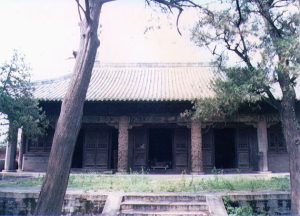
宋 Song (960-1279)
960 (Taizu jianlong 1/2): portraits of the sages and worthies were reinstalled after the rites had been in decline since the Liang dynasty (907-23). Taizu personally composed the praises for the first and second sages and ordered literary officials to compose praises for the ten savants and the rest. Gujiin tushu jicheng 199.54b; Song shi 105.2547.
962 (jianlong 2): sacrifices to the Exalted King of Culture were to use rites for officials of the first rank 一品禮. Gujiin tushu jicheng 199.55a.
978-11-21/22 (Taizong taiping xingguo 3/10/18-19): Kongzi’s 44th generation descendant Kong Yi 孔宜 (941-986) was appointed the heir apparent’s grand master admonisher of the right 太子右贊善大夫 and ennobled as Duke for Propagating Culture 文宣公. Wenxian tongkao 43.409.
1008-12-01 (Zhenzong dazhong xiangfu 1/11/1): the emp. travelled to Qufu to visit temple of the Exalted King of Culture; the emperor performed the 封禪 on 1/10 辛亥 (閏月). Initially court officials fixed the ritual as a simple sombre bow 肅揖, but the emp. especially repeated the 拜, then went to Shuliang He’s hall 叔梁何堂 [earliest mention of imperial sacrifices to Shuliang He] and ordered officials to offer sacrifices to the 72 disciples, as well as Shuliang He and née Yan. When he went to the Kong cemetery the trees covered the pathway so he came down from his carriage and walked to Exalted King of Culture’s tomb, provided a sacrifice and repeated his 拜, and conferred upon him the posthumous title of the Dark Sage and Exalted King of Culture 玄聖文宣王, offered a large beast sacrifice, and ennobled Shuliang He as Duke of Qi and née Yan 顏氏 Grand Mistress of Lu 魯國太夫人, and Kongzi’s wife née Qiguan 亓官氏 the title of Mistress of Yun 鄆國夫人. Song shi 105.2547-8; Wenxian tongkao 43.409: 孔子母夢感黑帝而生, 故曰玄聖.
1009-06-22 (dazhong xiangfu 2/5/27): the ten savants were promoted to dukes, the 72 disciples to marquises, the founding canonical masters to earls or were given official titles.
The Directorate of Ceremonials set the number of ritual vessels used in the sacrifices performed in districts and counties 州縣 for the First Sage and First Teacher (Yan Hui): two goblets 尊 each (of wine), 8 bamboo baskets 籩 and 8 jars 豆, 2 covered round bowls gui 簋, 2 square carved wood boxes fu 簠, 3 short altars zu 俎, 1 large jar for holding grains lei 罍, 1 washing basin 洗, 1 square tray for the damask 篚. A ladel shao 勺 and cloth covers 羃 are placed on each short altar along with a total of 2 bolts of damask 巾, 2 incense burners 燭, 4 tripods 爵 and 2 stands 土占. For each of the others enshrined: 2 baskets 籩 and 2 jars 豆, a bowl 簋, a square carved wood box 簠, an altar 俎, an incense burner 燭, and a tripod 爵. Song shi 105.2548 (105n19); Wenxian tong kao 43.410.
[First standardization of temple hierarchy with posthumous noble rank and ritual vessels in Song; elevated the 72 disciples over the 22 exegetes (cf 1102).]
1013-02-12 (dazhong xiangfu 5/12/29): Due to a dynastic taboo on Shengzu’s name, the title of Dark Sage and Exalted King of Culture was changed to Ultimate Sage and Exalted King of Culture 至聖文宣王. Song shi 8.152.
Allusion to Zhongyong: 唯天下至聖為能聰明容知; Shiji, “Kongzi shijia”
1074 (Shenzong xining 7): Supervisor of the Directorate of Education Chang Zhi 常秩 (1019-77) [recommended by Wang Anshi 宋傳索] and others requested to install Mengzi’s and Yang Xiong’s images in the temple with titles and also requested that Kongzi be given the title of emperor. After debate these requests were declined as inappropriate非是而止. Song shi 105.2548.
1083-11-28 (Shenzong yuanfeng 6/10/16): Mengzi ennobled Duke of Zou. Song shi 16.311.
1084-06-29 (yuanfeng 7/5/24): Mengzi made a correlate following Yan Hui. Xun Kuang, Yang Xiong, Han Yu ennobled as earls. Song shi 16.312; 105.2549.
The Ministry of Rites dismissed the argument that only Kongzi’s contemporaries could be enshrined on grounds that Han and Jin canonical masters had received sacrifices since the Tang. Mengzi’s statue, wearing the same garb as the Duke of Yan [Yan Hui], was placed in temples at the Directorate of Education and in school temples throughout the empire. The images of Xun, Yang, and Han were painted in the temples, each wearing the garb appropriate for their posthumous rank of earl; Xun followed Zuo Qiuming, Yang followed Liu Xiang, and Han followed Fan Ning. Song shi 105.2549.
1102-03-11 (Huizong chongning 1/2/10 初): Kong Li and Kong Ji were ennobled as marquises. Wenxuan wang temples were built in capitals outside of schools. Wang Anshi received sacrifices as Kongzi’s correlate and placed after Mengzi. An aide in the Directorate of Education Zhao Zili 趙子櫟 said, “Kongzi was made Exalted King of Culture in the Tang [739] and the garb of his statue wore the king’s robes. Now we follow the precedents of the Five Dynasties by using the garb of an upper lord. The 72 disciples were all men of the Zhou, yet the clothes they wear in the temple follow Han regulations.” Kongzi’s garb was changed to follow the Tang precedent and the 72 disciples wear clothes of the Zhou. It was also ordered that the Hall of the Exalted King of Culture be called “Great Completion” 大成. Song shi 105.2549-50.
[First standardization of clothing in Song. Cf 1009.]
1109-01 (daguan 2/12): Hou Meng 侯孟從通仕郎 requested that Zisi’s image be placed after Zuoqiu Ming’s in the temple. Ten other of Kongzi’s disciples mentioned in Shiji and Kongzi jiayu were added, all ennobled as earls. Song shi 105.2550; Xu zizhi tong jian 90.2319.
1113-02-08 (zhenghe 3/1/20): Wang Anshi was ennobled as King of Shu 舒王 and received sacrifices as a correlate after Yan Hui and Mengzi and his son was enshrined as an earl. Song shi 105.2551.
1115: (zhenghe 5): 18 disciples were enshrined in Mengzi’s temple in Yanzhou 兗州鄒縣孟子廟 and granted posthumous noble titles (one as marquis, the others earls). Song shi 105.2550.
1126 (Gaozong jingkang 1/5/3): Yang Shi requested suspension of sacrifices to Wang Anshi. He urged, “Destroy his sacrificial image so that his depraved doctrines and lewd conduct will not become a burden to students.” Song shi 23.428, 105.2551. Wang Anshi is demoted from correlate (Jingkang 1/5/3) (removed in 1241). Shengmen zhi 2A.123.
1227-02-06 (Lizong baoqing 3/1/19): emp. ennobled Zhu Xi as Trusted Duke of State after reading Zhu’s commentaries on the Four Books 朱熹集註大學, 論語, 孟子, 中庸, 發揮聖賢蘊奧, 有補治道. 朕勵志講學, 緬懷典刑, 可特贈熹太師, 追封信國公. Song shi 41.789; Xu zizhi tongjian 164.4464.
1228-34 (shaoding era): Li Xinchuan 祕書郎李心傳 requested enshrinement of Sima Guang, Zhou Dunyi, Shao Yong, Zhang Zai, Cheng Hao, Cheng Yi, Zhu Xi. There was no response. 乞以司馬光, 周敦頤, 邵雍, 張載, 程顥, 程頤, 朱熹七人列于從祀, 不報. Song shi 429.12769. See Zhu Xi’s bio. and Huang Gan’s final remark, 道之正統
1235-02-09 (duanping 2/1/20): the court debated the enshrinement Hu Yuan (993-1059), Sun Fu (992-1057), Shao Yong, Ouyang Xiu, Zhou Dunyi, Sima Guang, Su Shi, Zhang Zai, Cheng Hao, and Cheng Yi and to promote Zisi to savant. No action was taken. Song shi 42.807; Xu wenxian tongkao 48.3221. 胡瑗, 孫明復, 邵雍, 歐陽脩, 周敦頤, 司馬光, 蘇軾, 張載, 程顥, 程頤等十人從祀孔子廟庭, 升孔伋十哲. XZZTJ 68.4570: 從之 (?) “卓然為學者所宗”
1241-02-27 (Lizong chunyou 1/1/15): emp. ordered enshrinement of Zhou Dunyi, Zhang Zai, Cheng Hao, Cheng Yi, and Zhu Xi 淳祐元年正月, 上視學, 手詔以周, 張, 二程及熹從祀孔子廟 and the removal of Wang Anshi 黜王安石.
The emp. said, “We believe that Kongzi’s Dao was not received by anyone after Mengzi. Only in our own dynasty, with the authentic insight, concrete practice, and profound search into the Sage’s domain by Zhou Dunyi, Zhang Zai, Cheng Hao, and Cheng Yi did the learning that was terminated long ago finally have a point of convergence. After the revival [of the Southern Song court], Zhu Xi’s subtle thought and brilliant analysis harmonized form and content, thoroughly illuminating the Great Learning, Analects, Mencius, and Doctrine of the Mean from beginning to end and greatly manifesting Kongzi’s Dao in the world.” 朕惟孔子之道, 自孟軻後不得其傳, 至我朝周惇頤, 張載, 程顥, 程頤, 真見實踐, 深探聖域, 千載絕學, 始有指歸. 中興以來, 又得朱熹精思明辨, 表裡混融, 使大學, 論, 孟, 中庸之書, 本末洞徹, 孔子之道, 益以大明于世. 朕每觀五臣論著, 啟沃良多, 今視學有日, 其令學官列諸從祀, 以示崇獎之意. Song shi 42.821-22, 105.2554, 429.12769; Xu zizhi tongjian 170.4630. (Adds more on五臣論著, 啟沃良多 . . .”
[Court’s first formal use of exclusionary logic of Daotong in enshrinement pronouncements. Wilson, Genealogy of the Way 43-44.]
1260 (jingding 2): the heir apparent requested the enshrinement of Zhang Shi (1130-80) and Lü Zuqian, which was approved. Song shi 105.2554.
1267-02-15 (Duzong jianchun 3/1/20): Zeng Shen promoted to Duke of Cheng and Kong Ji to Duke of Ji and received sacrifices as correlates. Zizhang 子張 (端孫師) was promoted to savant; Shao Yong was enshrined as earl and Sima Guang as Cultured Duke. Song shi 105.2554-55.
元 Yuan (1270-1368)
1273 (Shizu zhiyuan 10/3): spring and autumn libation sacrifices to Kongzi resumed. Yuan shi 76.1892.
1306 (Wuzong dade 10): Chengzong (r. 1294-1306) had ordered the construction of a Xuansheng 宣聖 temple in the capital, which was completed in 1306. Yuan shi 76.1892.
1307 (dade 11/7/18): Great Completer, Ultimate Sage and Exalted King of Culture 大成至聖文宣王. Yuan shi 76.1892.
1313 (Huangqing 2/6/26): enshrinement of Zhou Dunyi, Cheng Hao, ChengYi, Shao Yong, Sima Guang, Zhu Xi, Zhang Shi, Lü Zuqian, Xu Heng (1209-81). Yuan shi 24.557, 76.1892-3.
1316 (Renzong yanyou 3/7): ordered spring and autumn sacrifices to the first sage with Yan Hui, Zeng Shen, Kong Ji, Mengzi as correlates. Mengzi’s father was ennobled as Duke Zhu 邾國公 and mother as 邾國宣獻夫人 (no mention of enshrinement or sacrifices). Yuan shi 76.1892.
1333 (Wenzong zhishun 1): Dong Zhongshu enshrined. Shuliang He was promoted from Duke of Qi to King who Gave Birth to the Sage 齊國公叔梁紇加封啟聖王, Née Yan Grand Mistress of Lu’s 魯國太夫人 title was changed to Mistress of the King who Gave Birth to the Sage 顏氏啟聖王夫人, Yan Hui was ennobled as Duke Yan, the Sage’s Restorer 兗國復聖公, Zeng Shen as Duke Cheng Reverer of the Sage 郕國宗聖公, Kong Ji as Duke Ji the Sage’s Recorder 沂國述聖公, Mengzi as Duke Zou, the Second Sage 鄒國亞聖公, Cheng Hao’s title was changed from Earl of Henan 河南伯, Duke of Yu 豫國公, Cheng Yi’s title was changed from Earl of Yiyang 伊(楊)[陽]伯 to Duke of Luo 洛國公. Yuan shi 76.1893.
[standardization of titles that paralleled but were not subsumed under noble titles]
明 Ming (1368-1644)
1368 (Taizu Hongwu 1/2/6): emp. presided over a large beast sacrifice to Kongzi in the Imperial University and sent officials to offer sacrifices in Qufu. (Ming shi 50.1296; Ming huiyao11.173.) The liturgy was fixed at the time as follows: on the first 丁 day of the second month in spring and autumn the emp. would offer incense and send officials to offer sacrifices at the Imperial University, the Grand Councilor presents the first offering, a Hanlin Academician presents the second, and the Libationer presents the third. The emperor fasts 齊戒 beforehand and the sacrificing officers observe a “working fast” 散齊 for two days, then a strict fast 致齊 for one day. On the day before the sacrifice, the emp. dons the dearskin cap garb 皮弁 and offers incense in the Hall for Sacrificing to Heaven. Ming shi 50.1296.
1369 (Hongwu 2/): sacrifices in schools suspended, they continued in Qufu. Ming huiyao 11.174; Ming tongjian 4.281; Ming shi 139.3981.
Qian Tang 錢唐 argues that Kongzi’s teachings have been transmitted for 10,000 generations and his Dao is revered everywhere, thus he should receive sacrifices everywhere 孔子垂教萬世, 天下共尊其教, 故天下得通祀孔子, 報本之禮不可廢. Vice Minister Cheng Xu 侍郎程徐 similarly argued: “Of all the sacrifices from ancient times to the present only the Grains and Soils, the Three August Ones, and Kongzi have received sacrifices throughout the empire. Without the gods of Grains and Soils and the Three August Ones the people would have no means to live, and without Kongzi’s Dao they would have no means to stand. Yao, Shun, Yu, Tang, Wen, Wu, and the Duke of Zhou are all sages. But illuminating the Way of the three bonds and the five constants, recording them in the canon, establishing the model for the hundred kings and becoming the paragon for the ten-thousand generations ensuring the subjugation of the world enabling the people to never falter, this is the power of Kongzi. Because Kongzi established his teachings on the basis of the Dao all the world honors him, this is not a sacrifice to his person, it is a sacrifice to his teachings, to his Dao. Now we instruct all the people to read his books, to follow his teachings, and practice his Dao, but we are not permitted offer him sacrifice. This is not the way to care for the human heart and support the teachings of the world.” 程徐亦疏言: “古今祀典, 獨社稷, 三皇與孔子通祀. 天下民非社稷, 三皇則無以生; 非孔子之道則無以立. 堯, 舜, 禹, 湯, 文, 武, 周公, 皆聖人也, 然發揮三綱五常之道, 載之於經,儀範百王, 師表萬世, 使世愈降而人極不墜者, 孔子力也. 孔子以道設教, 天下祀之, 非祀其人, 祀其教也, 祀其道也. 今使天下之人, 讀其書, 由其教, 行其道, 而不得舉其祀, 非所以維人心扶世教也.” 皆不聽. 久之, 乃用其言. Ming shi 139.3981-82; Ming huiyao 11.173.
1370 (Hongwu 3/6/6): emp. ordered the elimination of noble titles for the natural spirits in the pantheon [e.g., 5 sacred peaks, the 4 seas]. Only Kongzi’s title was retained [as well as the other figures enshrined in the Kong temple]. Ming shi 50.1296. 為治之道, 必本於禮. 考之禮典, 如五嶽五鎮四海四瀆, 皆自開闢以來受命于上帝. 幽微莫測,豈國家封號所可加? 自唐以來, 瀆禮不經, 莫此為甚. 夫禮所以明神人, 正名分, 不可以僭差.自今悉依古制, 凡嶽鎮海瀆之神, 並去前代加封本號. 止以山川本名稱其神. 至歷代忠臣烈士, 亦依當時初封以為實號. 後世諡議之稱, 皆與革去. 惟孔子明先王之道, 為天下師以濟後世, 非有功于一方一者可比, 宜仍其舊. Ming tongjian 3.249; Ming shi 25.1284; Taizu shilu 3: 53.1033-36.
1370/1 (Hongwu 3/12/nd): Song Lian (1310-81) 國子司業宋濂 presented a memorial 孔子廟堂議 arguing for several fundamental changes in the sacrifices saying, “Those who have discussed ritual over the generations all follow Kongzi but they do not use the ancient rites to sacrifice to him. This defiles 褻 the rites.” Ming tongjian 4.279; Taizu shilu 3:59.1151-66.
Song Lian then made the following main points: (1) anciently the first teacher faced east, Emp. Zhang of the Han faced west in Lu, and the Tang Kaiyuan Rites had the sage face east and the teacher face south, while the liturgists faced west; this still was consistent with the ancients’ intentions. Now, using the regulations of Kaiyuan 27 (739), the spirit face south, which loses the way of the spirits. (2) The ancients used wooden tablets on which to perch the spirit, there were no images 木主棲神. (2.1) The Kaiyuan Rites situated the spirit [tablet] between the two columns in the main hall, now, following Kaiyuan 8 (720), clay is kneaded to fashion a statue 摶土而肖像 which clearly loses the way of the spirits. (3) Anciently, if a master was not one’s teacher then one did not study with him in which case one did not pay obeisance to him. After the demise of schools no one knew with whom to study. Kongzi assembled the great accomplishments of the sages and Yan, Zeng, Si, and Meng carefully transmitted his Dao. Thus to honor them as sages and to offer them sacrifices throughout the world is certainly proper. According to the Kaiyuan Rites, sacrifices offered to Kongzi with Yan Hui and the 72 disciples as correlates. Now Xun Qing, Yang Xiong, Wang Bi, Jia Kui 賈逵, Du Yu, Ma Rong also mingle among them [Kongzi, et al.] 廁其中, but I don’t understand the explanation. (4) According to the ancients, “a son does not receive food before his father even though he be a sage” 子雖齊聖, 不先父食. 故禹不先鯀. 湯不先契.湯不先契, 文武不先不窋, 宋祖帝乙, 鄭祖厲王, 猶上祖也. [春秋左傳, 文公 2] Now Yan Hui, Zeng Shen, and Kong Ji receive sacrifices in the main hall while their fathers are placed in the two cloisters. This inverts the proper order 顛倒彝倫. (5) Anciently a scholar presented vegetables as an offering 贄 when calling upon his teacher, thus began the practice of offering vegetable sacrifice upon entering a school as the way to perform rites to the first teachers. The periodic sacrifices by school officials 學官 was always a libation 釋奠. Now this is done exclusively in the spring and autumn sacrifices, which is not right. An offering of libation is accompanied by music, an offering of vegetables is not. The importance of these two rites is determined by the use or absence of music. Now the pitches of the Wei-Jin periods are used, the Song of Great Completion is a tune regarded by former Confucians as creating disorder in the world. Can this be? Although the instructions for the liturgy of the ancient offerings of libation and vegetables cannot be found, the Kaiyuan Rites are similar to the Ceremonial Rites, the portion of the offerings 饋食 and the three libations both included the drinking of the blessed wine and the personator’s toasting the principal guest. Now, shirking the complexity these rites are performed only during the first offering. How can this be accepted? Other improper aspects of the temple regulations include the absence of insignias on the robe 冕服之無章, the utensils used are confused with popular customs, the timing of rising and kneeling of those on the left and right. Ming huiyao 11.174-5; Ming tongjian 4.280-81.
“There is also Xiong [He]’s wish to take Fuxi as the progenitor of the Daotong with Shennong, Huangdi, Yao, Shun, Yu, and Tang following him, and their ministers. They were the archetypes of sovereigns and ministers. To sacrifice to them in the Imperial University would be the proper rite. If Kongzi actually took upon himself the task of piously continuing the laws and institutions of the sage-kings 祖述憲章之任 [an allusion to Zhongyong], then he should receive sacrifices throughout the empire.” Because the emperor believed that Shun, Yu, and Tang should not receive sacrifices in the Imperial University, he was displeased and demoted Song Lian to a magistrate (Hongwu 4/8). Bei Qiong 貝瓊助教 wrote 釋奠解 in support of Taizu’s response to Song Lian. Libationer Wei Guan 魏觀 was also demoted (unclear whether he wrote memorial siding with Song or that he was guilty by association). Wang Yi 王褘 wrote孔廟從祀議 recommending the removal of Xun Qing, Yang Xiong, He Xiu, Wang Bi, among others, and the addition of Dong Zhongshu and Kong Yingda, Fan Zhongyan, Ouyang Xiu, Zhen Dexiu, Wei Liaoweng, Wu Cheng. He also argued that offering sacrifices to sons before fathers cannot but escape mockery of [imitating] the abominable sacrifices in the Chunqiu 不免春秋逆祀之譏. Ming tongjian 4.281.
A comment in Ming tongjian (4.281-82) points out that Song Lian was demoted because of a point that was not central to his recommendations. Hongwu had suspended sacrifices to Kongzi in temples throughout the empire except for the one in Queli, thus Song Lian knew that Hongwu was gradually coming to loathe Confucian officials and could not but accord with the emperor’s wishes.
1371 (Hongwu 4): Ministry of Rites issued changes in ritual vessels: 8 baskets and jars 籩豆 was changed to 10. The baskets were to be rattan and the boxes 簠, bowls 簋, jars 登, tureens 鉶, jars 豆, which were previously made of wood, were now to be made of porcelain (Mingshi 23.1234, 50.1296). The offerings were all to be cooked 熟. There were to be 60 musicians, 48 dancers, and two dancing leaders. The Ministry of Rites asked that dancers be selected from among local talented commoners, but Taizu replied, “Dance and music is the business of students, particularly when offering sacrifices to the revered teacher. Select Imperial University students and sons and younger brothers of dukes and upper officials.” Ming shi 50.1296.
1372 (Hongwu 5): Sacrifices to Mengzi were suspended. After a year the emp. said, “Mengzi disputed heterodoxies, repudiated depraved teachings, and illuminated Kongzi’s Dao. Offer sacrifices to him as before.” Ming shi 50.1296.
Once the emperor was reading the Mengzi when he came across the passages “[Shun alone was able to look upon the fact that the empire, being greatly delighted, was turning to him, as of no more a consequence than] trash.” [Mengzi 4A.28], and “[If the ruler regards his ministers as dirt and grass, his ministers will regard him as] a bandit or an enemy.” [Mengzi 4B.3]. He said “these are not the words that should be spoken about sovereigns and ministers. Sacrifices to him will cease” and he instructed officials to examine this great irreverence. 帝嘗覽孟子, 至 “草芥” “寇讎” 語, 謂非臣子所宜言, 議罷其配享, 詔有諫者以大不敬論. Tang protested in a memorial in which he said, “Your minister would die for Mengzi for in death there is honor.” At the time there were no court ministers who did not ralley to Tang’s defense. Seeing his sincerity, the emperor did not accuse him. Mengzi’s status as correlate was restored, but in the end the emperor had an abridged version of the Mengzi published. 唐抗疏入諫曰: “臣為孟軻死, 死有餘榮. 時廷臣無不為唐危. 帝鑒其誠懇, 不之罪.孟子配享亦旋復. 然卒命儒臣修孟子節文云. Ming shi 139.3982.
1373 (Hongwu 6/8/丁丑): dispute over whether ministers who did not attend the ceremony should receive a portion of the sacrificial meat. Ming huiyao 11.176.
1374 (Hongwu 7/2): the calendar for the sacrifices was changed from the first 丁 day to the second. Ming shi 50.1296
1382 (Hongwu 15): resumption of sacrifices to Kongzi in the Imperial University 帝既親詣釋奠, 又詔天下通祀孔子 (after their suspension in 1369). Ming shi 50.1297; Ming huiyao 11.176. The number of vessels was set at eight. Ming shi 47.1234.
(Hongwu 15/5/11): when Taizu was about to enter the Imperial University to sacrifice to Kongzi, an official urged him to reconsider on grounds that “even though he was a sage, Kongzi was [merely] an official.” The Emperor replied that he dare not refrain from paying homage to Kongzi because he was the “teacher of hundreds of generations of rulers.” Ming hui yao 13.218.
1384 (Hongwu 17): beginning of monthly offering of vegetable sacrifice 每月朔望, 祭酒以下行釋菜禮, 郡縣長以下詣學行香. Ming shi 50.1297; Ming huiyao 11.176.
1393 (Hongwu 26/1): promulgation of the tune and instruments of the Great Completion 大成樂. Ming shi 50.1297; Ming huiyao 11.176.
1395 (Hongwu 28): in response to Yang Di’s 楊砥 (jinshi 1394) memorial, sacrifices to Yang Xiong were discontinued and Dong Zhongshu was enshrined. Ming shi 50.1297.
First removal of someone enshrined
1397 (Hongwu 30/10/乙未): Enlargment of the temple in the Directorate of Education is completed 大成殿門各六楹, 靈星門三, 東西廡七十六楹, 神廚庫皆八楹, 宰牲所六楹. Ming shi 50.1297; Ming huiyao 11.176.
1428 (Xuande 3): in reponse to Li Ze’s 萬縣訓導李譯 request, the Ministry of Rites was ordered to investigate and correct the positions of the worthies in the temple and promulgate the sequence throughout the empire 考正從祀先賢名位. Ming shi 50.1297.
1435 (Xuande 10): Jiang Ming 慈利教諭蔣明requested that Wu Cheng be enshrined. Yang Shiqi and others supported this request and it was approved. Ming shi 50.1297.
1437 (Zhengtong 2/6/17): At the request of Wang Ying 王塋 et al., Hu Anguo, Cai Shen, Zhen Dexiu were enshrined. Ming shi 10.129, 50.1297; Ming tong jian 22.903.
1438 (Zhengtong 3/3): Daoist and Buddhist temples were forbidden to sacrifice to Kongzi 禁天下祀孔子於釋老宮.
Pei Kan submitted a memorial saying that the temples throughout the empire use transmission of the Dao to order the sequence of those enshrined. The ancestral shrine in Queli [sic] must observe the proper relations between father and son. Yanzi, Zengzi, Zisi are sons who receive sacrifices in the main hall, whereas Wuyao, Zixi, and Boyu are the fathers who receive secondary sacrifices in the side cloisters. Not only is the proper sequence incorrect, I fear the spirits are not at ease. Moreover, Shuliang He was already ennobled as the King who Gave Birth to the Sage and a shrine built for him west of the Hall of Great Completion. Messers. Yan and Meng have both been ennobled as dukes, only Boyu and Zixi are still marquises. Please posthumously ennoble them as duke and place them along side Yan and Meng as correlates in the Hall for the King who Gave Birth to the Sage 天下文廟惟論傳道, 以列位次. 闕里家廟, 宜正父子, 以敘彝倫. 顏子, 曾子, 子思, 子也, 配享殿廷. 無繇, 子皙, 伯魚, 父也, 從祀廊廡. 非惟名分不正, 抑恐神不自安. 況叔梁紇元已追封啟聖王, 創殿於大成殿西崇祀, 而顏, 孟之父俱封公, 惟伯魚, 子皙仍侯, 乞追封公爵, 偕顏, 孟父俱配啟聖王殿. No action was taken. Ming shi 50.1297; Ming tong jian 22.905.
1455 (Jingtai 6): number of vessels increased by two to 10. Ming shi 47.1235.
1465 (Chenghua 1 正月已己): 李伸 memorial on enshrinement. Ming shi lu 39.284-286
1466 (Chenghua 2): Dong Zhongshu, Hu Anguo, Cai Shen, and Zhen Dexiu, who were earlier enshrined in 1437, were ennobled as earls. Ming shi 50.1297.
1477 (Chenghua 13/2/8): In response to Zhou Hongmo’s 祭酒周洪謨 (1420-91) memorial of the previous year, the number of vessels was increased from 10 to 12 and rows of dancers from 6 to 8. Zhou argued that “since the Tang, Kongzi’s sacrificial statue wore a cap with 12 tassels and imperial robes with 12 buttons while music for an emperor was played, but the number of dancers and sacrificial vessels used corresponds to that of a feudal lord. Viewed from the perspective of rites, the music is presently incomplete; viewed from the perspective of music, the rites amount to usurpation.” Ming shi 50.1297-8 (which dates this to Chenghua 12); Ming tongjian 33.1270. This is also dated to Chenghua 12. Ming shi 47.1235.
1495 (Hongzhi 8/7/1): At the request of Xie Duo 謝鐸祭酒, Yang Shi 楊時 was ennobled as an earl and enshrined, his image was placed after Sima Guang’s (earlier requested by Wang Chang 王昌 denied). Ming shi 50.1298; Ming tong jian 38.1442-43.
1496 (Hongzhi 9/2): the number of dancers was increased to 72 (nine rows of eight?) as with the regulations for the son of Heaven 增樂舞為七十二人如天子之制. Ming shi 50.1298; Ming tong jian 38.1448.
1499 (Hongzhi 12/6/16): the temple in Queli burned, officials were sent to rebuild it in 1501 (Hongzhi 14/5/21), it was completed in 1504 (Hongzhi 17). Grand Secretary Li Dongyang 大學士李東陽 was sent to offer sacrifices and present an imperial stele. Ming shi 50.1298; Ming tong jian 39.1475.
1521 (Zhengde 16): local officials were ordered to rebuild the Kong family temple in Quzhou at official expenses and manage it taxes. Erudite Kong Chengyi was ordered to offer sacrifices 博士孔承義奉祀. Ming shi 50.1298; Ming tong jian 41.1556.
1530 (Jiajing 9/11/7): Seven main reforms: (1) Kongzi’s title of king was eliminated and was changed to Supreme Sage, First Teacher Master Kong 人以聖人為至, 聖人以孔子為至. 宋真宗稱孔子為至聖, 其意已備. 今宜於孔子神位題至聖先師孔子, 去其王號及大成, 文宣之稱. (2) designation of Hall of Great Completion was changed to Temple of the First Teacher 改大成殿為先師廟, 大成門為廟門. (3) Noble titles of all others enshrined were eliminated 宗聖曾子, 述聖子思子, 亞聖孟子. 十哲以下凡及門弟子, 皆稱先賢某子. 左丘明以下, 皆稱先儒某子. 不復稱公侯伯. (4) clay statues were replaced by wooden tablets 遵聖祖首定南京國子監規制, 製木為神主. 仍擬大小尺寸, 著為定式. 其塑像, 即令屏撤. (5) Reduction of number of ritual vessels and dancers 春秋祭祀, 遵國初舊制, 十籩十豆. 天下各學, 八籩八豆. 樂舞止六佾. (6) Construction of a hall honoring the fathers of the Sage and four correlates behind the main temple building 凡學別立一祠, 中叔梁紇題啟聖公孔氏神位, 以顏無繇, 曾點, 孔鯉, 孟孫氏配, 俱稱先賢某氏. (7) other enshrinements: one redundant name dropped, 13 others eliminated, 7 demoted to local shrines, 5 new persons added 至從祀之賢, 不可不考其得失. 申黨即申棖, 釐去其一. 公伯寮, 秦冉, 顏何, 荀況, 戴聖, 劉向, 賈逵, 馬融, 何休, 王肅, 王弼, 杜預, 吳澄罷祀. 林放, 蘧瑗, 盧植, 鄭眾, 鄭玄, 服虔, 范寧各祀於其鄉. 后蒼, 王通, 歐陽修, 胡瑗宜增入.” 命悉如議行. 又以行人薛侃議, 進陸九淵從祀. Ming shi 50.1299-1300. These reforms were promulgated on Jiajing 9/11/15. Ming tongjian 55.2068.
Grand Secretary Zhang Cong 大學士張璁 said that the statues for the sacrifices to the first teacher needed to be corrected. Shuliang He is Kongzi’s father, Yan Lu, Zeng Xi, and Kong Li are the fathers of Yan [Hui], Zeng [Can], and Kong [Ji]. The latter receive offerings in the temple as correlates, whereas Shuliang He and the other fathers are enshrined in the two side cloisters. How can this be reconciled with the original mind of the sages and worthies? I request the erection of a separate room for sacrifices to Shuliang He with Yan Lu, Zeng Xi, and Kong Ji as his correlates. 先師祀典, 有當更正者. 叔梁紇乃孔子之父, 顏路, 曾皙, 孔鯉乃顏, 曾, 子思之父, 三子配享廟庭, 紇及諸父從祀兩廡, 原聖賢之心豈安? 請於大成殿後, 別立室祀叔梁紇, 而以顏路, 曾皙, 孔鯉配之. The emperor agreed with this suggestion and said, “The Sage’s reverence for Heaven is the same as honoring one’s kin. Currently the 12 baskets and jars and the calf in the oxen offering are completely the same as in the ceremonial offering to Heaven, which is not a correct rite. The posthumous titles, the ritual clothing must all be corrected.” 聖人尊天與尊親同. 今籩豆十二, 牲用犢, 全用祀天儀, 亦非正禮. 其諡號, 章服悉宜改正. Ming shi 50.1298.
On the basis of the emperor’s intentions, Zhang Cong said, “Kongzi should be called First Sage, First Teacher and should not be called a king. The place of sacrificial offerings should be called a temple not a hall. Wooden tablets should be used and the clay images should be destroyed. Ten ritual baskets and jars and six rows of dancers should be used. The titles of duke, marquise, and earl should be eliminated and the correlates and others in the temple should be called worthies and scholars. 璁緣帝意, 言: “孔子宜稱先聖先師, 不稱王. 祀宇宜稱廟, 不稱殿. 祀宜用木主, 其塑像宜毀. 籩豆用十, 樂用六佾. 配位公侯伯之號宜削, 止稱先賢先儒. Sacrifices to twelve people should cease, six others should be relegated to local shrines, and five others should be enshrined 其從祀申黨, 公伯寮, 秦冉等十二人宜罷, 林放, 蘧瑗等六人宜各祀於其鄉, 后蒼, 王通, 歐陽修, 胡瑗, 蔡元定宜從祀. Ming shi 50.1298.
The emperor ordered the Ministry of Rites to debate the issue. Compiler Xu Jie opposed changes to the titles and destruction of the images so the emperor demoted him out of anger and instructed the compilation of explanations of the corrected sacrifices to Kongzi on the general principle that the arrogation of the title king for Kongzi was wrong, tantamount to arrogating rites for the son of Heaven. 帝命禮部會翰林諸臣議. 編修徐階疏陳易號毀像之不可. 帝怒, 謫階官, 乃御製正孔子祀典說, 大略謂孔子以魯僭王為非, 寧肯自僭天子之禮. Ming shi 50.1298.
The extended record of the corrected sacrifices to Kongzi were distributed by the history bureau, Zhang Cong thereupon submitted his “Questions on Corrected Sacrifices to Kongzi” 正孔子廟祀典或問, which the emperor instructed the Ministry of Rites to collectively debate. Ming shi 50.1298.
Censor Li Guan 御史黎貫 and others said, “When Shengzu [Taizu] initially corrected the sacrificial statues the noble titles for terrestrial deities were removed 天下嶽瀆諸神皆去其號, only Kongzi’s [title] was retained. Profound indeed is the goodness of this idea. Your Majesty suspected that the sacrifices to Kongzi were being compared to the rites to Heaven. That the Master should not receive such rites is like Heaven’s unsurpassibility. Although this compares it [sacrifices to Kongzi] to Heaven this is not excessive. From the time that Kongzi became the Exalted King of Culture in the Tang imperial rites and music were already used. Song Zhenzong wanted to elevate Kongzi to emperor but some objected that since there was only the title of king in the Zhou the title of Emperor should not be used. Luo Congyan also argued that the title of emperor should not be applied. 惟先師孔子如故, 良有深意. 陛下疑孔子之祀, 上擬祀天之禮. 夫子之不可及也, 猶天之不可階而升, 雖擬諸天, 亦不為過. 自唐尊孔子為文宣王, 已用天子禮樂. 宋真宗嘗欲封孔子為帝, 或謂周止稱王, 不當加帝號. 而羅從彥之論, 則謂加帝號亦可. Zhou Dunyi believed he was the inexhaustible of the 10,000 generations and should be honored as king; Shao Yong regarded Zhongni as the king of the 10,000 generations. The only person to dispute that Kongzi should be called king was Wu Cheng. We beseach you to broadly examine the multitude of debates and honor what is most proper. 至周敦頤則以為萬世無窮, 王祀孔子, 邵雍則以為仲尼以萬世為王. 其辨孔子不當稱王者, 止吳澄一人而已. 伏望博考群言, 務求至當. Ming shi 50.1299.
At the time Li Guan said, “Nothing is honored more than Heaven and Earth or the father and teacher. Your majesty reveres Heaven and honors his kin, thus should not suspect that Kongzi’s title of king alone amounts to arrogation.” The emperor became greatly incensed, suspecting that Li Guan was using this debate to censure the emperor’s posthumous ennoblement of his kin with imperial titles and censured Guan as a traitor and issued order to strip him of his gentry status. Wang Rumei and others also emphatically argued that the royal title should not be eliminated and the emperor cesured them for absurd arguments. 時貫疏中言: “莫尊於天地, 亦莫尊於父師. 陛下敬天尊親, 不應獨疑孔子王號為僭.” 帝因大怒, 疑貫借此以斥其追尊皇考之非, 詆為奸惡, 下法司會訊, 褫其職. 給事中王汝梅等亦極言不宜去王號, 帝皆斥為謬論. Ming shi 50.1299.
1531 (Jiajing 10): The Shrine for the Duke who Gave Birth to the Sage 啟聖公祠 was completed the following year. Li Shi’s 尚書李時 memorial to offer spring and autumn sacrifices at the Qisheng shrine on the same day as those in the Culture Temple was followed. Ming shi 50.1300.
1571 (Longqing 5): Xue Xuan was enshrined. In the Wanli era Luo Congyan and Li Tong were enshrined (1613). Ming shi 50.1301.
1584 (Longqing 12): Chen Xianzhang, Hu Juren, and Wang Yangming were enshrined.
1595 (Longqing 23): Zhou Dunyi’s father Fucheng was enshrined in the Shrine for Giving Birth to the Sage. Also it was determined that on the first 丁 day of the second month of spring and autumn a great official will offer sacrifices to the first teacher and his correlates, a Hanlin official will offer sacrifices to the ten savants, and two officials from the Directorate of Education will offer sacrifices in the two cloisters. Vegetable sacrifices will be offered on the first day of each month and whenever a jinshi examination is held.
1642 (Chongzhen 15): Because he directly received the canon from the Sage, Zuoqiu Ming’s title was changed to worthy. Furthermore, the six Song Confucians Zhou, the two Chengs, Zhang, Zhu, and Shao were also called worthies and placed after [Kongzi’s] 70 disciples and before the Han-Tang exegetes. This was only implemented in the Imperial University, not in the Queli temple, nor was it yet promulgated in the state schools. 以左丘明親授經於聖人, 改稱先賢. 并改宋儒周, 二程, 張, 朱, 邵六子亦稱先賢, 位七十子下, 漢唐諸儒之上. 然僅國學更置之, 闕里廟廷及天下學宮未遑頒行也.
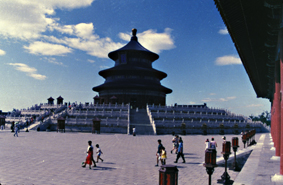
清 Qing (1644-1911)
1645 (Shunzhi 2/1/23): Kongzi given the posthumous title of Great Completer, Ultimate Sage, Exalted First Teacher of Culture 大成至聖文宣先師孔子. Qing shi gao 9.309, 84.2533. (This restores terms removed from his title in 1530.)
1657 (Shunzhi 14/3/13): Kongzi given the posthumous title of Supreme Sage, First Teacher 至聖先師. Qing shi gao 9.309, 84.2534.
1712 (Kangxi 51/2/4): emp. proclaims Zhu Xi incomparable since Mengzi and elevated him to correlate and place among the 10 savants, totaling11. Da Qing huidian shili 436.3b.
1723 (Yongzheng 1/6/10): Five generations of Kongzi’s ancestors ennobled and added to shrine dedicated to Kongzi’s father, which was renamed Adoration of the Sage: Originating Sage, Duke Mu Jinfu; Abundant/enriched Sage, Duke Qifu; Bequethed Sage, Duke Fangshu; Prosperous Sage, Duke Boxia; Adoring Sage, Duke Shuliang He 追封孔子五代王爵, 於是錫木金父公曰肇聖, 祈父公曰裕聖, 防叔公曰詒聖, 伯夏公曰昌聖, 叔梁公曰啟聖, 更啟聖祠曰崇聖. 肇聖位中, 裕聖左, 詒聖右, 昌聖次左, 啟聖次右, 俱南嚮. 配饗從祀如故. Qing shi gao 9.309, 84.2534.
1724 (2): The emperor called for a reassessment of the worthies and exegetes enshrined in the temple by saying that sacrifices might be resumed for some who were removed from the temple or who were always excluded. Six were restored: 林放, 蘧瑗, 秦冉, 顏何, 鄭康成, 范甯; twenty were added for the first time: 縣亶 (孔子弟子), 牧皮 (Kongzi’s contemporary, not a disciple), 樂正子, 公都子, 萬章, 公孫丑 (前三孟子弟子) , 漢諸葛亮, 宋尹焞, 魏了翁, 黃幹, 陳淳, 何基, 王柏, 趙復, 元金履祥, 許謙, 陳澔, 明羅欽順, 蔡清, 國朝陸隴其; one was added to the Adoration of the Sage shrine 宋橫渠張子迪. Qing shi gao 84.2534-35.
1726 (4/8/28 仲丁): emp. personally observed libations; his presence at the spring and autumn sacrifices was required from then on. It was also required that two prostrations and six knockings be performed when presenting the victims and the baskets and jars 犧牲, 籩豆視丁祭, 行禮二跪六拜, that the libations and silk be offered while kneeling rather than standing 奠帛獻爵, 改立為跪, and that after the reading of the prayer the wine was not to be drunk and meat not be received 仍讀祝, 不飲福, 受胙. Qing shi gao 84.2535.
1727 (4/8/27): thenceforth officials, commoners, military, and literati would observe a day of strict fast on Kongzi’s birthday 八月二十七日先師誕辰, 官民軍士, 致齋一日, 以為常. Qing shi gao 84.2535.
1738 (Qianlong 3): You Ziruo was elevated to status of savant. Qing shi gao 84.2535
1747 (Ql 12/11/辛丑) Yan Ruoju 孔廟從祀末議 Qing shi lu 12 (Qianlong 302.956)
1753 (18): Taichang changed sacrifices to agree with those performed in Queli: offering of a minor sacrifice, one altar of offerings shared by savants on the east and west sides of the main hall, three altars shared by worthies and exegetes in the east and west cloisters. The sequence of worthies and exegetes in the cloisters was reordered on basis of age. Qing shi gao 84.2536.
1853 (Xianfeng 3) Gongming Yi 公明儀, a disciple of Zizhang and later of Zengzi, enshrined
1907 (Guangxu 32/12) sacrifice to Confucius elevated to Great Sacrifice 升大祀
民國 Republic (1911-)
1912/10: 孔教會 established in Shanghai
1913/9/7: Yuan Shikai sent Fan Yuan qian to offer sacrifice to Confucius
1914/9/28(?): President leads officials sacrifice to Confucius 祀孔典禮 and ordered all local officials to do so as well. Later promulgated as 崇聖典例; revised in 1915
1925/8: Prov. Gov. Zhang Zongchang offers sacrifice to Confucius in Qufu
1934/4: Nanjing gov’t established 8/27 of lunar calendar as a national holiday to celebrate Confucius’s birthday 先師孔子誕辰紀念
1935/1/18: Nanjing gov’t changed the ducal title to 大成至聖先師奉祀官
© Thomas A. Wilson 2010